
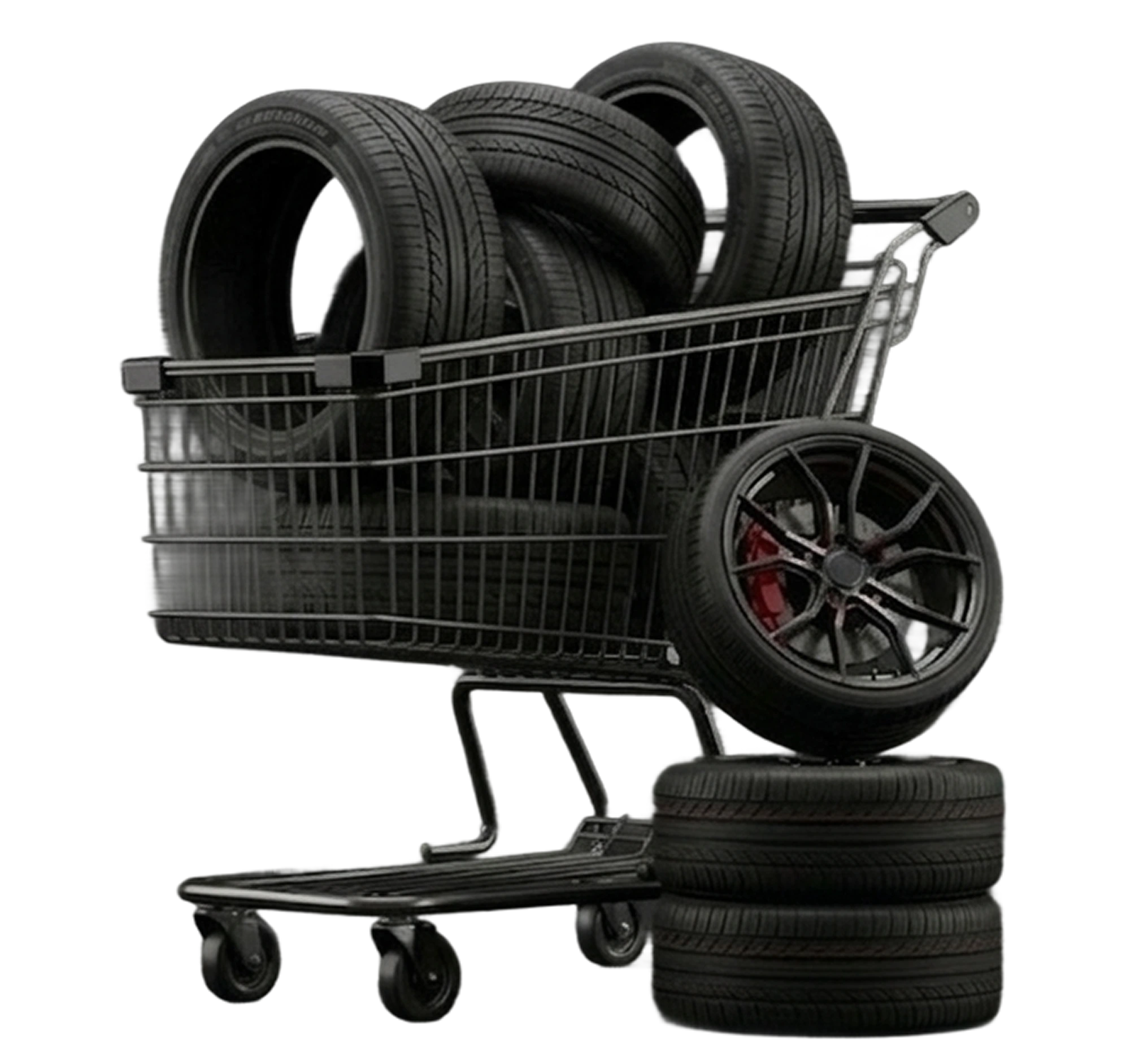
Summer Tires - Safety and Fuel Economy Guaranteed
Tires are the most important factor in vehicle safety on the road. They are the only part of the car that directly contacts the road surface. That's why choosing the right tires for the season and driving conditions is crucial.
When is the best time to install summer tires?
Latvian law permits driving on summer tires from May 1 to December 1, while winter tires are mandatory from December 1 to March 1 (source: CSDD).
While the transition to summer tires can begin from March 1, the actual timing depends on weather conditions. When the air temperature stabilizes above +7 °C, summer tires become the safer choice.
Why is it important to use summer tires in summer?
Summer tires are stiffer than winter tires, which helps improve handling and reduce braking distances in both dry and wet conditions. They provide better grip, lower fuel consumption, and quieter driving.
Summer tires from manufacturers in all segments
Depending on driving habits and budget, drivers can choose between premium, mid-range, and budget tires.
Maximum efficiency with premium summer tires
The premium segment includes top-quality tires with excellent performance, safety, and comfort. Leading manufacturers: Michelin, Pirelli, Continental, and Bridgestone.
Balanced price and quality in mid-range tires
Mid-range tires offer a good balance between price and quality. Suitable for city driving and longer highway trips. Popular brands: Hankook, Kumho, Nexen, and Toyo.
Budget class for everyday driving
Budget tires are an economical solution for drivers who drive infrequently or use their car only for short city trips.
Summer tire tread pattern types
Symmetric tread pattern
Features longer lifespan and quieter operation but reduced performance in wet conditions. Suitable for daily city driving.
Asymmetric tread pattern
Provides excellent grip in both dry and wet conditions. Recommended for drivers who travel on highways as well as in the city.
Directional tread pattern
Excellent grip on wet surfaces, reduces aquaplaning risk. Suitable for sportier driving styles.
Summer tire tread depth
The minimum tread depth is 1.6 mm, but for safety at least 3 mm is recommended. Check tire pressure at least once a month.
When should you replace summer tires?
- Tread depth has decreased below 3 mm
- Tire age exceeds 6–8 years
- Visible cracks, bulges, or uneven wear
- Noticeable changes in vehicle handling
- Fuel consumption increases without other apparent reasons